
[av_section min_height=’50’ min_height_px=’500px’ padding=’default’ shadow=’no-shadow’ bottom_border=’no-border-styling’ id=” color=’main_color’ custom_bg=” src=’https://www.scottishshellfish.co.uk/wp-content/uploads/2015/10/bulhao-pato-1500×630.jpg’ attachment=’917′ attachment_size=’featured_large’ attach=’parallax’ position=’center center’ repeat=’no-repeat’ video=” video_ratio=’16:9′ overlay_enable=’aviaTBoverlay_enable’ overlay_opacity=’0.4′ overlay_color=’#0a0a0a’ overlay_pattern=” overlay_custom_pattern=” custom_class=”]
[av_heading heading=’Mussels ‘Bulhão Pato’ ‘ tag=’h1′ style=’blockquote modern-quote’ size=’40’ subheading_active=’subheading_below’ subheading_size=’15’ padding=’10’ color=’custom-color-heading’ custom_font=’#ffffff’ custom_class=”]
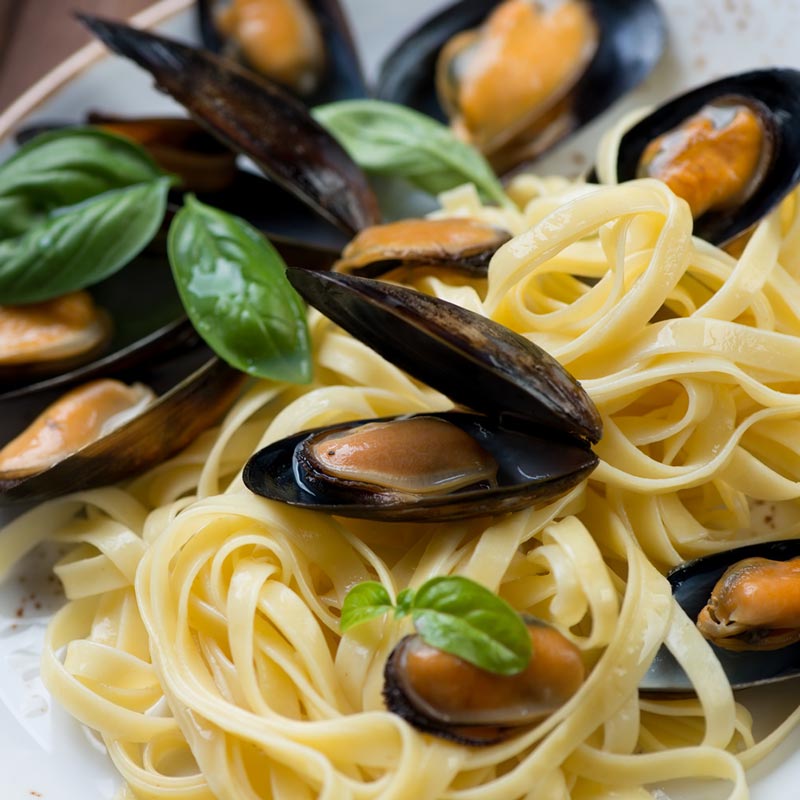
on a bed of fettuccine and gremolata
[/av_heading]
[/av_section]
[av_one_third first min_height=” vertical_alignment=” space=” custom_margin=” margin=’0px’ padding=’0px’ border=” border_color=” radius=’0px’ background_color=” src=” background_position=’top left’ background_repeat=’no-repeat’]
[av_image src=’https://www.scottishshellfish.co.uk/wp-content/uploads/2015/10/bulhao-pato-small.jpg’ attachment=’916′ attachment_size=’full’ align=’center’ animation=’pop-up’ styling=’circle’ hover=” link=” target=” caption=” font_size=” appearance=” overlay_opacity=’0.4′ overlay_color=’#000000′ overlay_text_color=’#ffffff’ custom_class=”][/av_image]
[/av_one_third]
[av_two_third min_height=” vertical_alignment=’av-align-top’ space=” margin=’0px’ margin_sync=’true’ padding=’0px’ padding_sync=’true’ border=” border_color=” radius=’0px’ radius_sync=’true’ background_color=” src=” attachment=” attachment_size=” background_position=’top left’ background_repeat=’no-repeat’ custom_class=”]
[av_textblock size=” font_color=” color=” custom_class=”]
‘Bulhão Pato’ sauce – named after a 19th century Portuguese poet and culinary buff – is a typical Portuguese summer sauce, normally used to cook clams. Its strong coriander flavour marries perfectly with the lemon gremolata.
[/av_textblock]
[av_toggle_container initial=’1′ mode=’toggle’ sort=” custom_class=”]
[av_toggle title=’INGREDIENTS’ tags=”]
- 900g (2 lb) mussels
- 50g fresh parsley
- 1 tablespoon lemon zest
- 1 1/2 teaspoons lemon juice
- 3 cloves garlic
- salt, to taste
- 1/2 teaspoon cracked black pepper
- 6 tablespoons olive oil
- 225g fettuccine pasta
- 50g fresh coriander
- 1 small lettuce
Serves: 3
[/av_toggle]
[av_toggle title=’METHOD’ tags=”]
Prep: 40min › Cook: 35min › Ready in: 1hr 15min
- Plunge the mussels in a large saucepan full of salted cold water. Bring to a gentle simmer. Turn the heat off when the mussels start to open up; leave them sitting in the water for 4 minutes.
- Reserve 225ml of the cooking liquid, then drain off the rest. Open and clean the mussels. Mix the parsley with the lemon juice and zest, 1 clove of chopped garlic, salt and pepper. Add 1/2 of the oil and thoroughly mix everything again.
- Heat the remaining oil in a frying pan with some salt, the remaining garlic (sliced) and the coriander. Add the mussels, tossing gently to allow the flavours to seep through. Taste for seasoning, adding more coriander if wanted.
- Bring a large saucepan of fresh water to the boil, then add the reserved 225ml of mussel cooking liquid and a generous amount of salt. Once at the boil, add the pasta and cook until al dente. Remove from heat and add a drizzle of olive oil. Let it rest for 3 minutes and then drain the water.
- Serve the fettuccine on leaves crunchy lettuce, then top with the mussels.
[/av_toggle]
[/av_toggle_container]
[av_hr class=’default’ height=’50’ shadow=’no-shadow’ position=’center’ custom_border=’av-border-thin’ custom_width=’50px’ custom_border_color=” custom_margin_top=’30px’ custom_margin_bottom=’30px’ icon_select=’yes’ custom_icon_color=” icon=’ue808′]
[av_image src=’https://www.scottishshellfish.co.uk/wp-content/uploads/2015/10/UKIRE_Allrecipes_Color_logo-300×117.png’ attachment=’909′ attachment_size=’medium’ align=’center’ animation=’no-animation’ styling=” hover=” link=” target=” caption=” font_size=” appearance=” overlay_opacity=’0.4′ overlay_color=’#000000′ overlay_text_color=’#ffffff’ custom_class=”][/av_image]
[/av_two_third]
[av_one_full first min_height=” vertical_alignment=’av-align-top’ space=” margin=’0px’ margin_sync=’true’ padding=’10px,0,0,0′ border=” border_color=” radius=’0px’ radius_sync=’true’ background_color=” src=” attachment=” attachment_size=” background_position=’top left’ background_repeat=’no-repeat’ custom_class=”]
[av_image src=’https://www.scottishshellfish.co.uk/wp-content/uploads/2015/10/screenshot-www-your-fishingforthetruth-co-uk-2015-10-09-10-11-20.png’ attachment=’906′ attachment_size=’full’ align=’center’ animation=’no-animation’ styling=” hover=’av-hover-grow’ link=” target=” caption=” font_size=” appearance=” overlay_opacity=’0.4′ overlay_color=’#000000′ overlay_text_color=’#ffffff’ custom_class=”][/av_image]
[/av_one_full]
[av_section min_height=” min_height_px=’500px’ padding=’default’ shadow=’no-shadow’ bottom_border=’border-extra-arrow-down’ id=” color=’main_color’ custom_bg=’#0aa5b5′ src=” attachment=” attachment_size=” attach=’scroll’ position=’top left’ repeat=’no-repeat’ video=” video_ratio=’16:9′ overlay_opacity=’0.5′ overlay_color=” overlay_pattern=” overlay_custom_pattern=”]
[av_heading heading=’More recipes’ tag=’h1′ style=’blockquote modern-quote modern-centered’ size=” subheading_active=” subheading_size=’15’ padding=’10’ color=’custom-color-heading’ custom_font=’#ffffff’][/av_heading]
[/av_section]
[av_blog blog_type=’posts’ categories=’23’ link=’category’ blog_style=’blog-grid’ columns=’5′ contents=’title’ content_length=’content’ preview_mode=’auto’ image_size=’portfolio’ items=’5′ offset=’0′ paginate=’yes’ custom_class=”]